
. Skip to main content
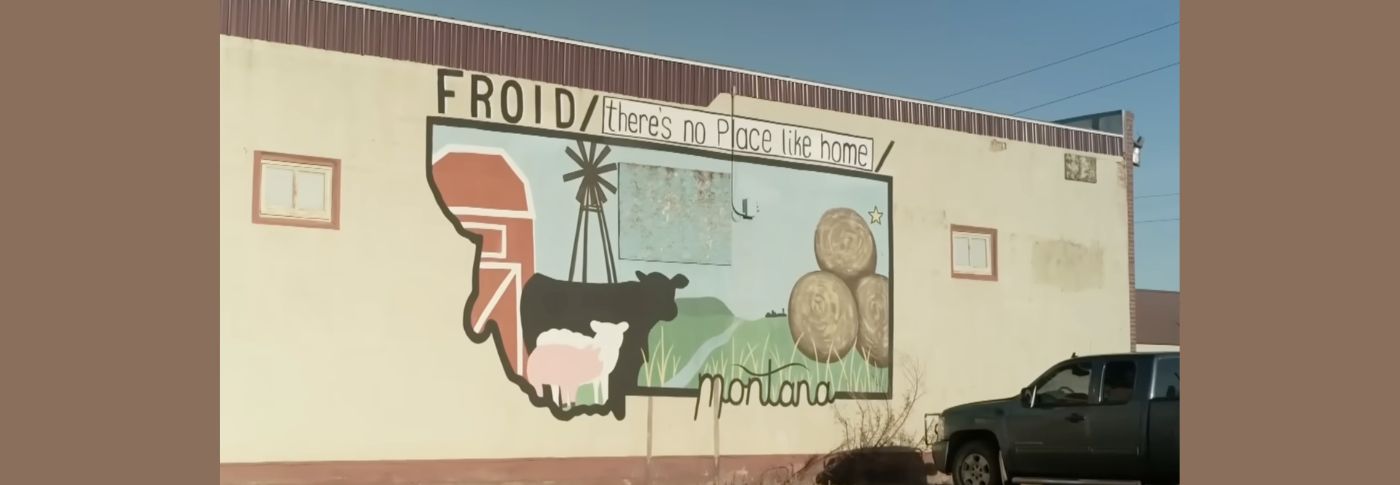
A mural on a building in Froid, Montana reads "there's no place like home" with farm imagery and the state outline.

A mural in the small town of Froid, Montana, where residents rallied around a longtime neighbor detained by federal immigration agents. Photo: Montana PBS via PBS NewsHour

ICE Arrest in a Rural Montana Town Prompts a Conservative Community to Take Action

July 31, 2026

ICE Arrest in a Rural Montana Town Prompts a Conservative Community to Take Action

Froid, Montana is rural, tight-knit, and deeply conservative. But when ICE detained one of its longtime residents, the town pushed back. Students explore how a community's values met a national immigration debate.

Share

Share On Facebook
Share On Twitter
Share On Pinterest
Share On LinkedIn
Email

In a northeastern corner of Montana sits the small town of Froid. Rural and deeply conservative, it backed President Trump during every one of his White House runs. But earlier this year, when federal immigration agents detained one of the town's longtime residents, this tight knit community pushed back. Montana PBS's Matt Standal reports.

View the transcript of the story.

NOTE: If you are short on time, watch the video and complete this See, Think, Wonder activity: What did you notice? What did the story make you think about? What would you want to learn more about?

Remote video URL

Warm-Up Questions

  1. Who is Roberto Orozco-Ramirez, and what is his background?
  2. What did attorney Laura Christoffersen discover when looking into Ramirez's case?
  3. Where did this ICE arrest take place?
  4. How did the community of Froid respond to the arrest of Orozco-Martinez?
  5. Why did Roberto immigrate to America?

Essential Questions

  1. What is the difference in the way the government justified detaining Orozco-Martinez versus the sentiments Froid residents themselves felt toward this arrest?
  2. Why do you believe that Froid residents displayed overwhelming support for Ramirez even after learning that he was undocumented?
  3. Media literacy: It is important to stay updated with everything surrounding ICE across the country. Read more about these events through headlines posted by PBS News. If you have the time, briefly look over another segment posted and inform yourself on what it is about. Afterwards, discuss what you think is the most important thing you learned while reading.

What Students Can Do

Break up into small groups and take time to learn more about one another or to research a culture you all are unfamiliar with. Listen intently to one another as everyone shares and deeply connect with the community you are researching if you choose to go down that route. Once you are done, share with the class what you have learned.

Here are guiding questions:

  • What are common practices within the culture you are looking into?
  • Where is this community from?
  • What is something interesting you would like to share with others that you believe is unique to your own culture?
  • What is something you and your family enjoy doing?
  • What are cultural practices that you and your family practice?

Once everyone is done sharing, begin discussing the importance of diversity, and the benefits that come from learning about different cultures.

Immigration Policy, History and Awareness

Explore dozens of rich, engaging resources to teach about immigration policy, history, and awareness with preK-12 students.

Republished with permission from PBS NewsHour Classroom.

PBS News Hour Classroom
PBS News Hour Classroom helps teachers and students identify the who, what, where and why-it-matters of the major national and international news stories. The site combines the best of News Hour's reliable, trustworthy news program with lesson plans developed specifically for... See More
Advertisement

Post a comment

Log in or sign up to post a comment.